10 Heartwarming Gift Ideas for a Loved One with Dementia
TL;DR Match the stage: The best gifts for dementia patients fit where your loved one is today. Early-stage gifts like large-print books and audio reminders
TL;DR Match the stage: The best gifts for dementia patients fit where your loved one is today. Early-stage gifts like large-print books and audio reminders
TL;DR What it is: Residential assisted living gives seniors a private or semi-private room or apartment, help with daily tasks, and a supportive community, while

TL;DR What is comfort care: Comfort care is a form of palliative care that relieves pain and symptoms like breathing problems, fatigue, and skin irritation

TL;DR Short answer: Dementia is sometimes hereditary, but most cases come from a mix of genes, age, health, and lifestyle. Family history vs inherited: A

TL;DR Key difference: Lewy body dementia (LBD) and frontotemporal dementia (FTD) are not the same. LBD is caused by abnormal protein deposits called Lewy bodies,
TL;DR What is FTD: Frontotemporal dementia (FTD), also called frontal lobe dementia, damages the brain’s frontal and temporal lobes and mainly changes behavior, personality, and

TL;DR Main difference: Assisted living helps seniors with daily tasks while supporting independence. Memory care is designed specifically for people with Alzheimer’s and dementia. Who

TL;DR What is memory care: Memory care is a specialized form of assisted living for people with Alzheimer’s, dementia, and other memory loss. It combines

TL;DR Why activities matter: The right memory care activities keep seniors with dementia active, engaged, and connected, and the same ideas work in assisted living,
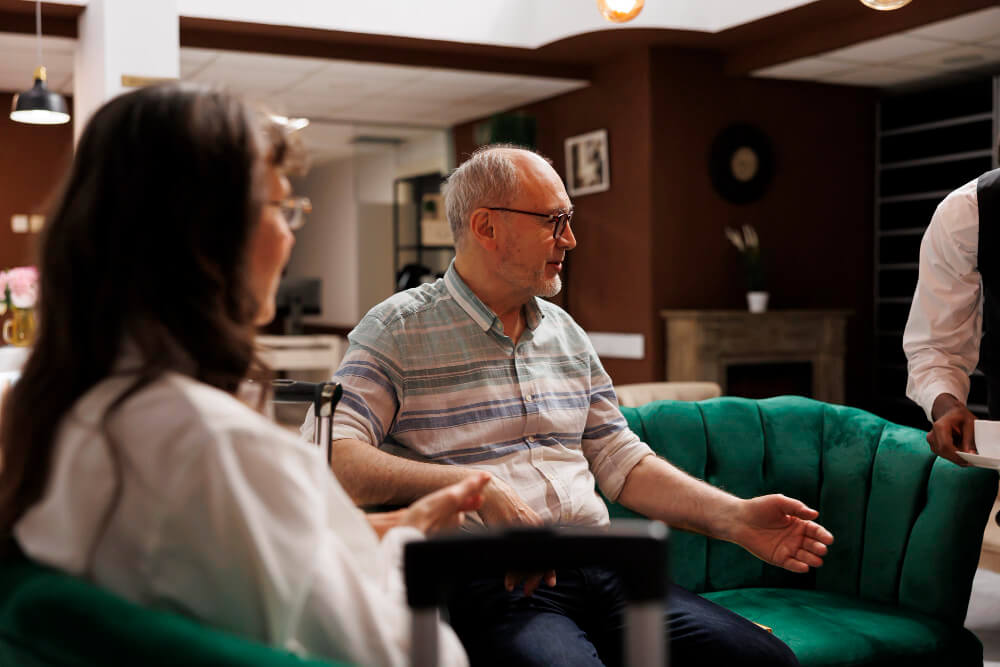
TL;DR Main difference: Memory care is a secure residential setting for people with mild to moderate cognitive decline. Dementia care is broader support for people

TL;DR Rising concern: Dementia cases are increasing worldwide, so prevention, awareness, and better support at home all matter. Risk factors: Age, family history, smoking, heavy
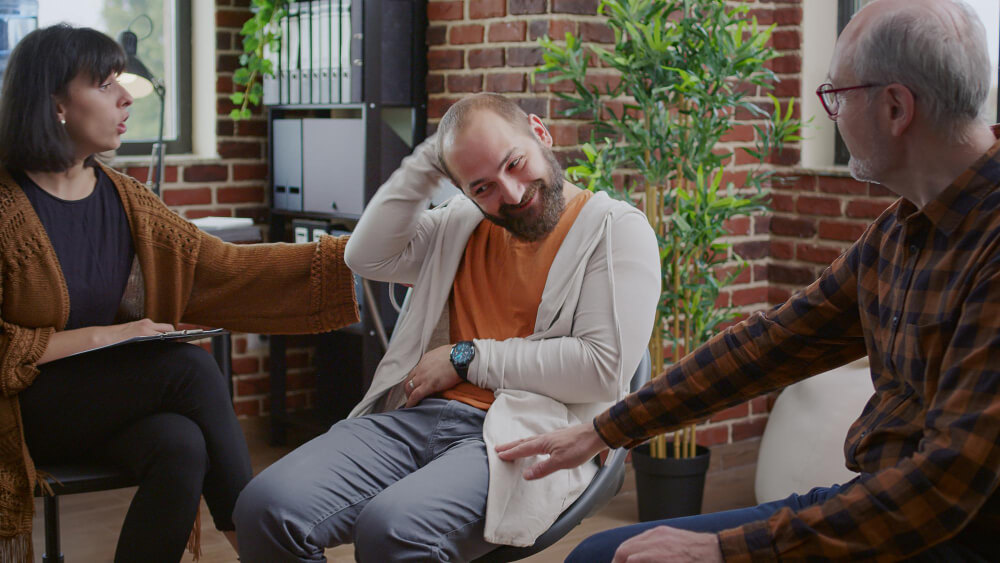
TL;DR What is reminiscence therapy: Reminiscence therapy is a talk-based therapy that helps people recall and share meaningful life events, using cues like photos, music,
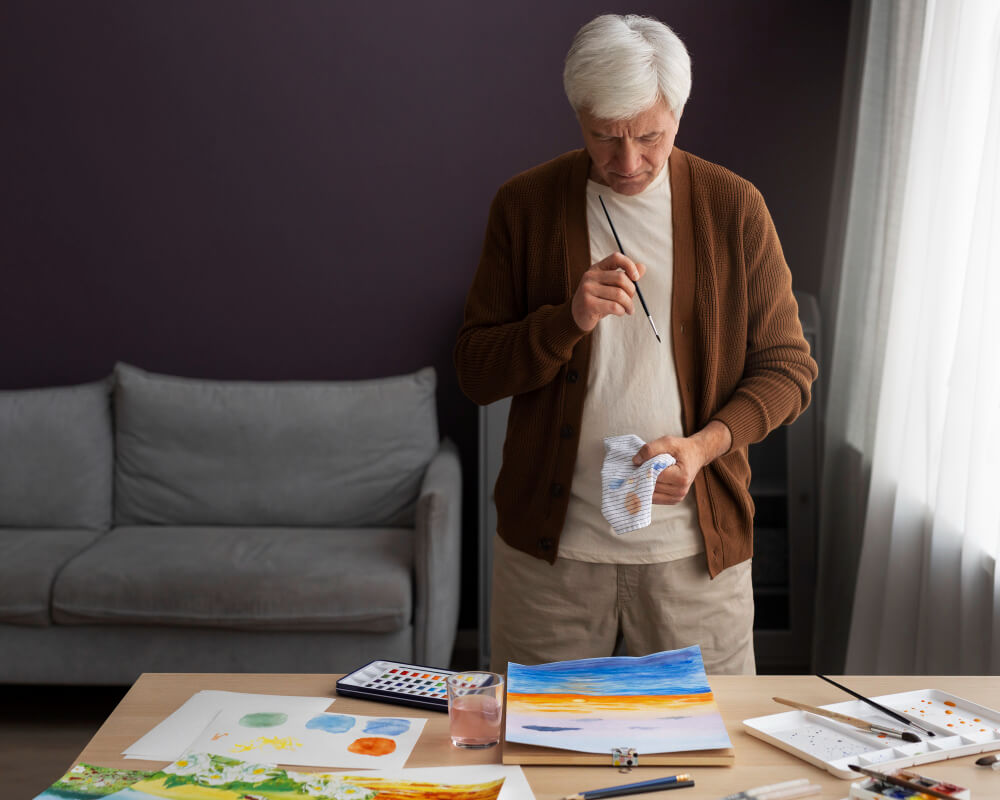
TL;DR Short answer: Yes. Healthy lifestyle changes can lower dementia risk, even though some risk factors, like age, can’t be changed. Risk factors: Being over
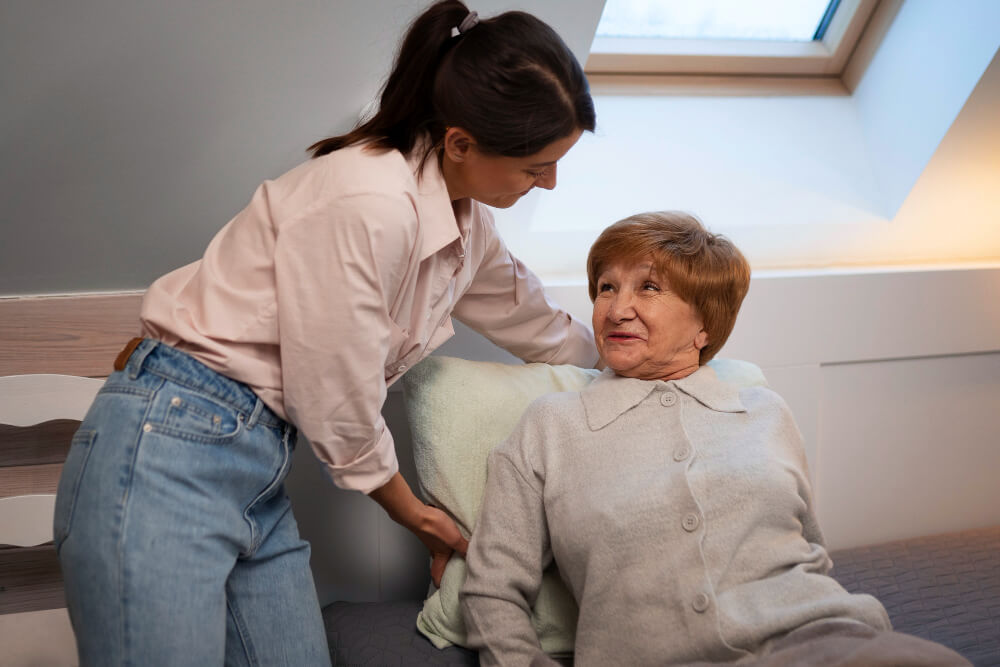
TL;DR Why falls happen: People with Alzheimer’s and dementia may miss hazards, misjudge distances, forget warnings, and have weaker balance, vision, and hearing. Make the

TL;DR What is mindfulness: Mindfulness means paying calm, nonjudgmental attention to the present moment, guided by intention, attention, and attitude. Mindfulness for dementia: Simple practices

TL;DR Why it’s hard: Dementia is progressive, and behavior changes, communication barriers, and constant care needs often lead to caregiver stress and burnout. Know the
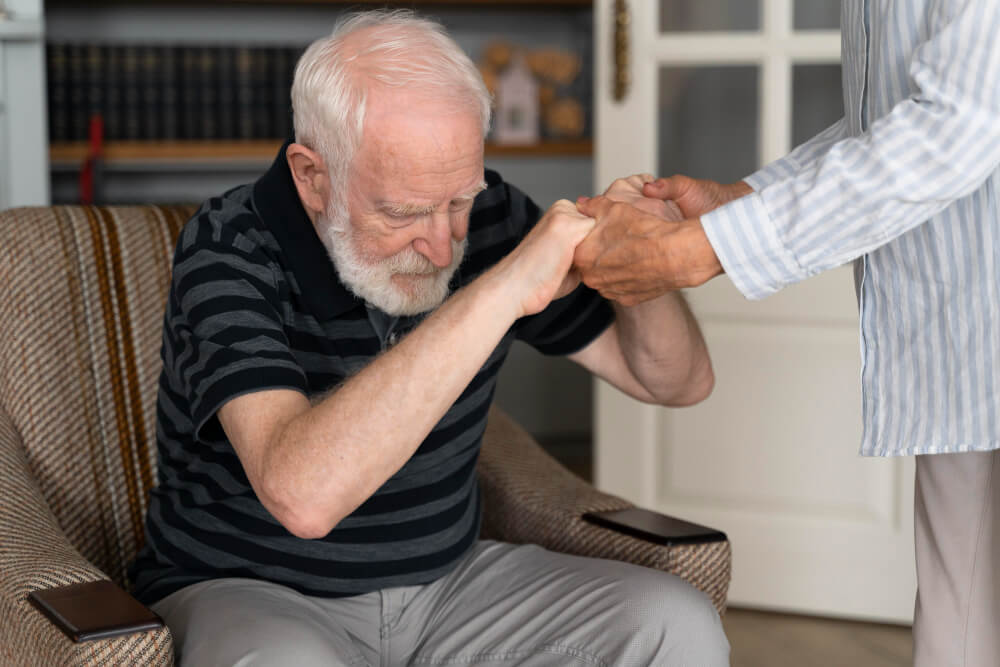
TL;DR Understand the condition: Memory loss, communication trouble, poor judgment, mood changes, and confusion about time and place are common in seniors with dementia. Know
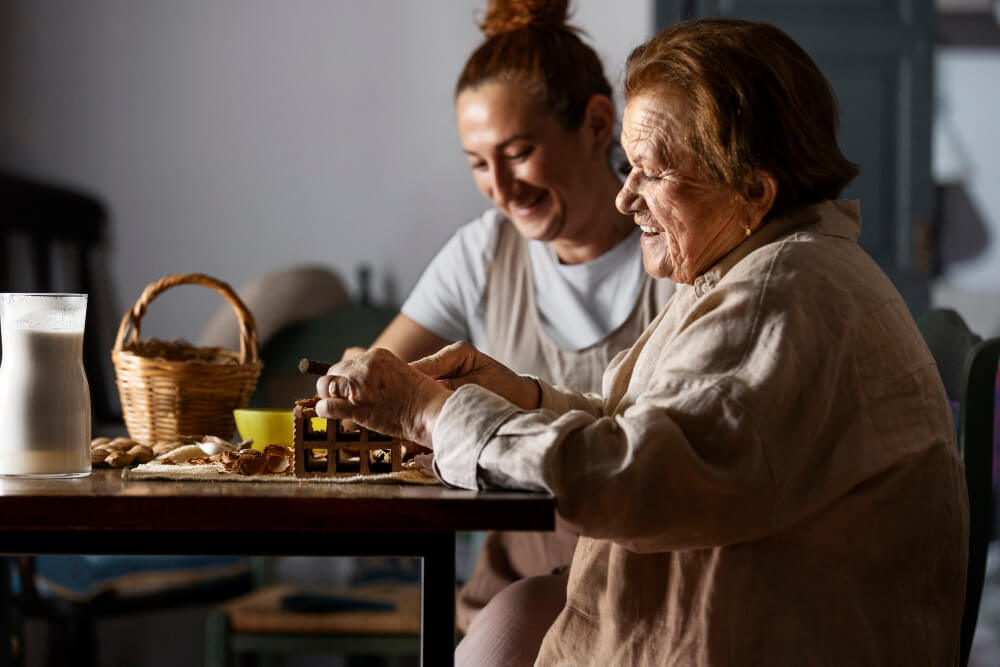
TL;DR Dementia basics: Dementia includes Alzheimer’s, vascular, frontotemporal, and other types, and affects memory, communication, judgment, and mood. Warning signs: Forgetting recent events, repeating words,

TL;DR What is memory care: Memory care is specialized senior care for people with Alzheimer’s, dementia, and other memory loss, with more tailored support than
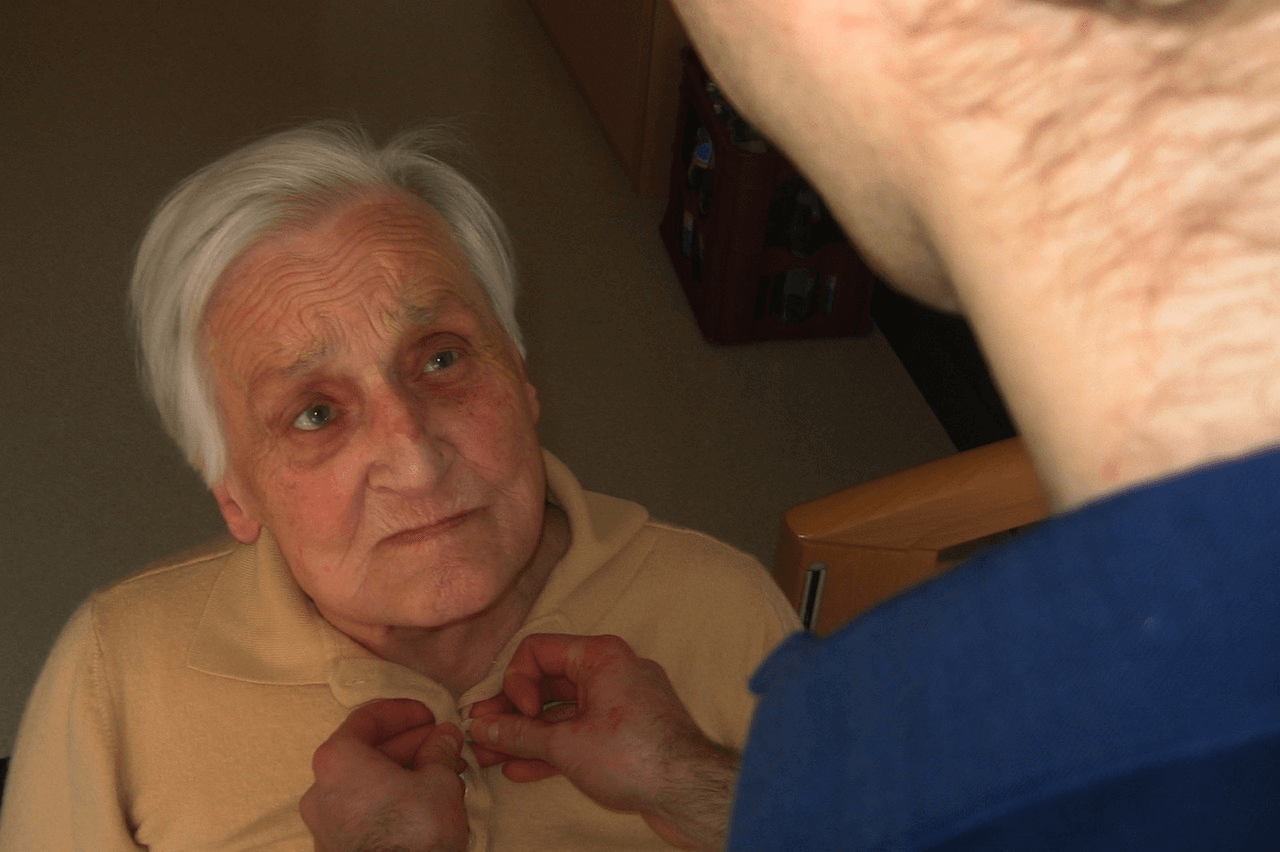
TL;DR What it is: Home care services help seniors stay safe and comfortable in their own homes, with support tailored to their needs. Types of

TL;DR What causes dementia: Damage to brain cells from disease, injury, or reduced blood flow affects how the brain communicates. Symptoms to know: Memory loss,

TL;DR Why pain goes unnoticed: Seniors with dementia or memory loss often can’t describe pain, so caregivers need to read nonverbal signs. Facial cues: Grimacing,
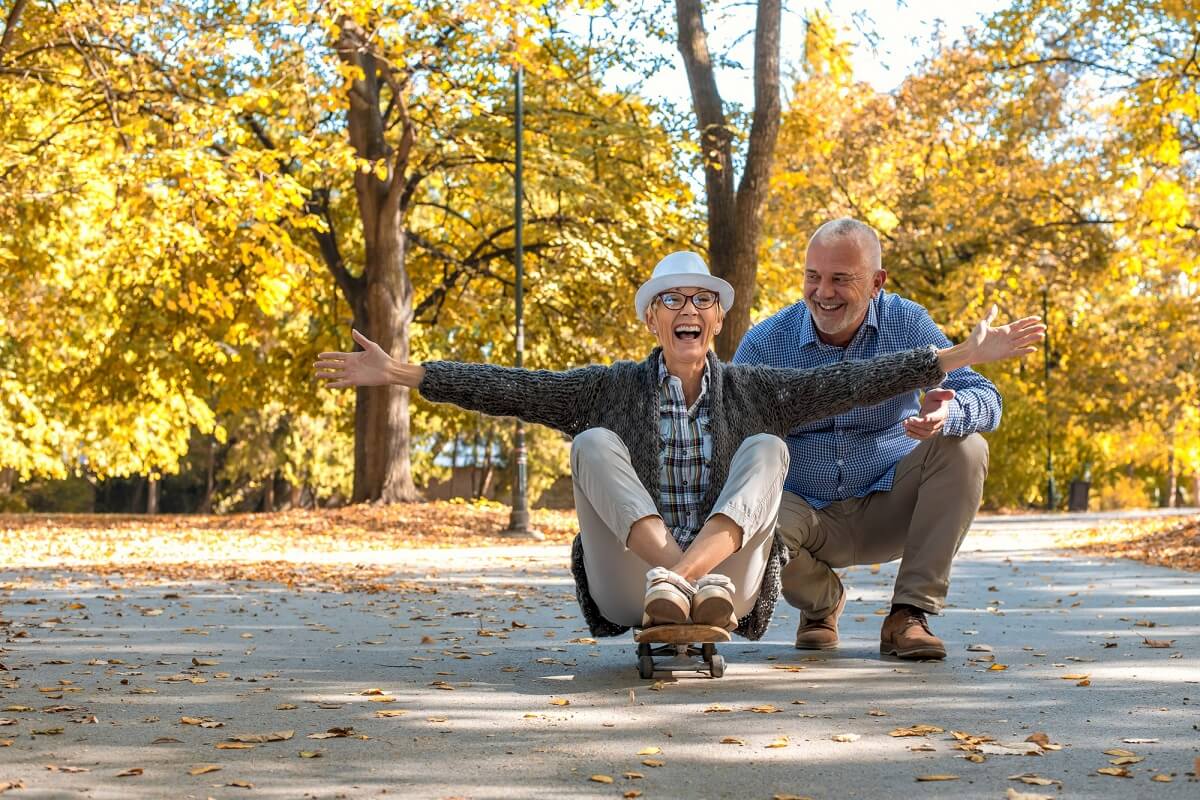
TL;DR Why it matters: Elderly socialization keeps seniors connected as their social circles shrink, protecting physical, mental, and emotional health. Mental health: Regular social contact
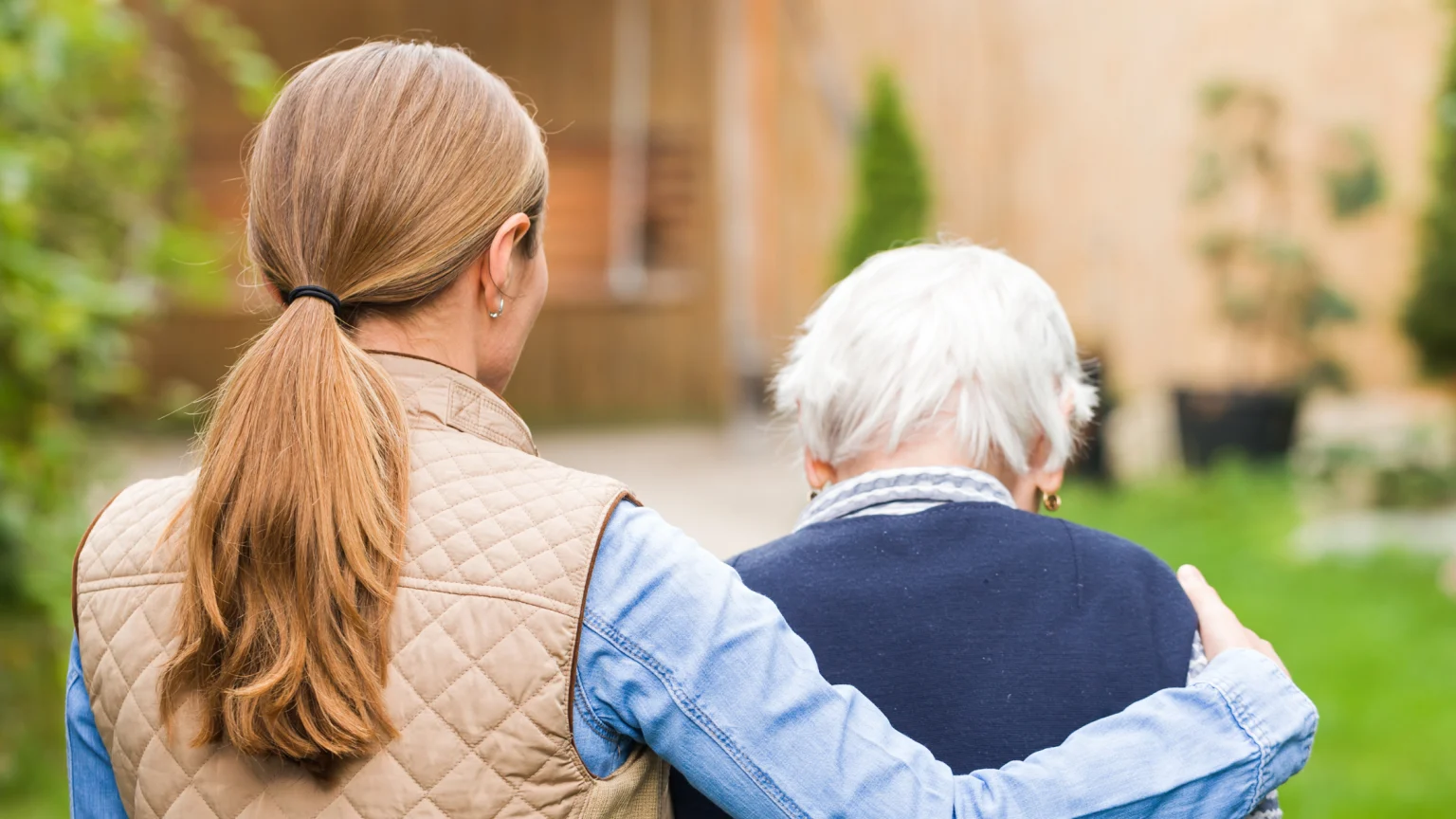
TL;DR Safety first: Frequent confusion, wandering, injuries, or concerns about a loved one’s safety can be an important sign it’s time for memory care. Declining
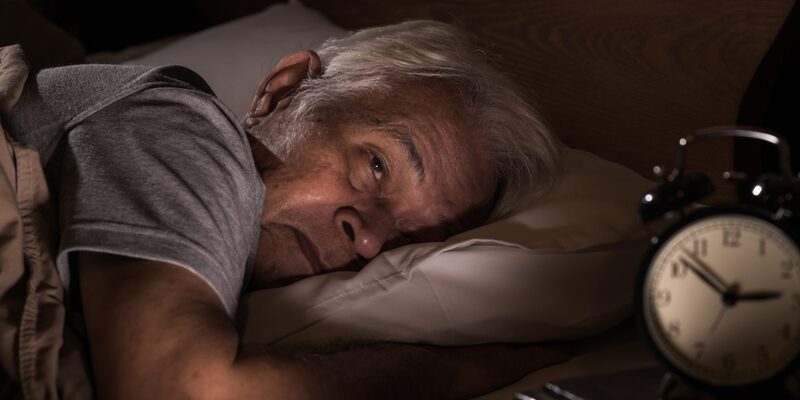
TL;DR What is insomnia: Insomnia is trouble falling or staying asleep. In seniors it can cause fatigue, low energy, and mood swings, and it raises

TL;DR Best holiday gifts for seniors: The best picks match their interests and abilities and create chances to spend time together. Puzzles: From simple to